
Real Life Doesn’t Look Like the Movies – and That’s Hurting Young Adults
A growing body of research suggests young adults across Canada and the U.S. are struggling with the gap between their real lives and the cinematic ones they see in film, television, and on social media – a gap that researchers say is shaping how an entire generation understands love, success, and grief.
The pattern is showing up in psychology journals, in social media studies, and in classrooms. It points to the same conclusion: the lives young people are taught to expect by the media rarely match the lives they end up living, and the mismatch is taking a measurable toll.
A generation raised on curated lives
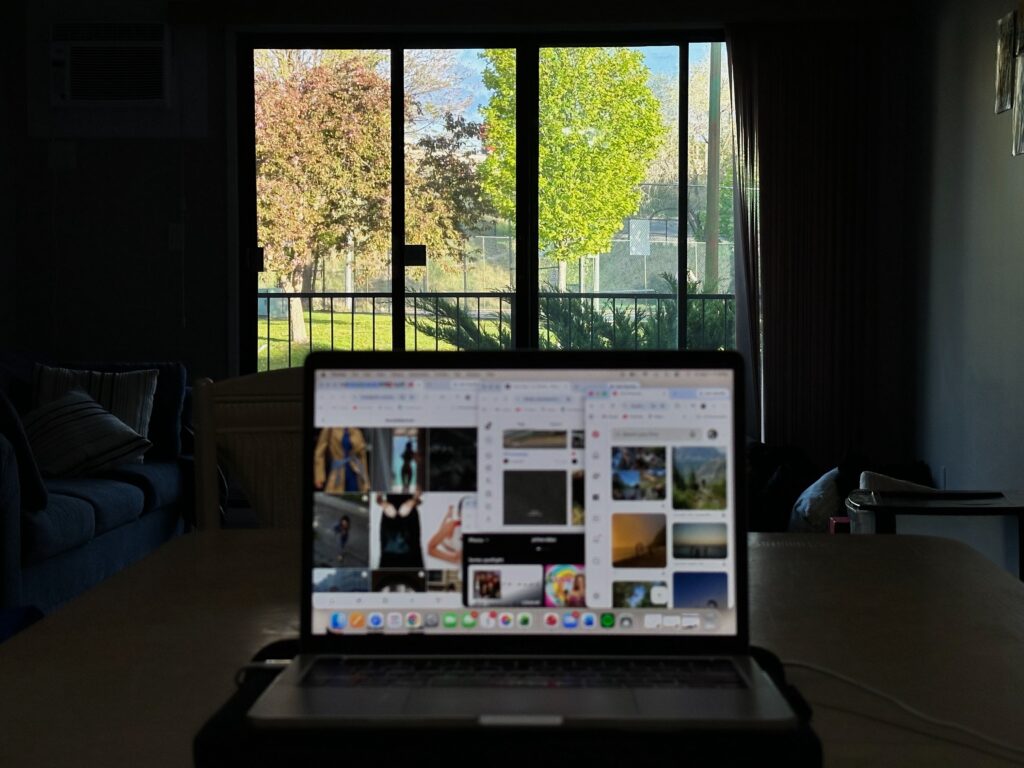
For people who came of age with smartphones, comparison is a constant background noise. A 2025 study published in Frontiers in Psychology found that upward social comparison on Instagram (comparing yourself to someone who appears to be doing better) predicts lower self-esteem and higher depressive symptoms in young adults.
The effect is not subtle. The more young people scroll past curated highlight reels, the worse they tend to feel about their own ordinary days.

An older theory backs this up. A 2018 capstone project from Bryant University, Chasing Success: A Cultivated Reality, applies George Gerbner’s cultivation theory to Gen Z and finds that heavy media exposure quietly shapes what young adults come to believe success, beauty, and a meaningful life look like. Those beliefs, the research argues, are often unrealistic, and most viewers do not realize they have absorbed them.
Love that “conquers all”
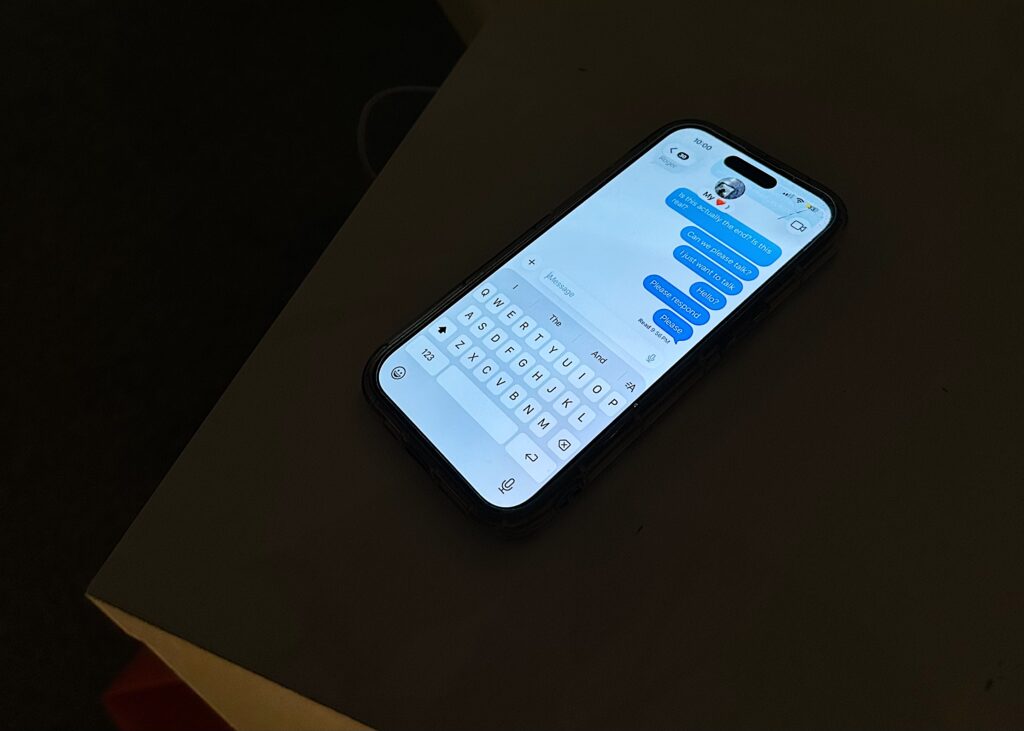
Romantic films are doing similar work. A University of Nevada thesis by Lauren Galloway surveyed 228 young adults and found that people who watch romantic comedies and dramas frequently are significantly more likely to endorse idealized beliefs, including the idea that love conquers all and that there is one perfect soulmate out there waiting.
When real relationships do not deliver the soundtrack, the slow-motion airport scene, or the perfectly worded apology, viewers often interpret the difference as a personal failure rather than as the difference between fiction and life.
Grief that does not arrive on a timeline
The third pillar is the hardest to talk about. A 2025 narrative review in European Child & Adolescent Psychiatry examined 61 studies and found that mental health struggles, including grief and depression, are increasingly romanticized online, presented as aesthetic, profound, or interesting rather than as serious suffering.
The authors warn this can do real damage:
“Romanticisation makes mental health problems appear trivial by dismissing their severity or their functional impact, which can make those who do not romanticise their mental health problems feel misunderstood and isolated.”
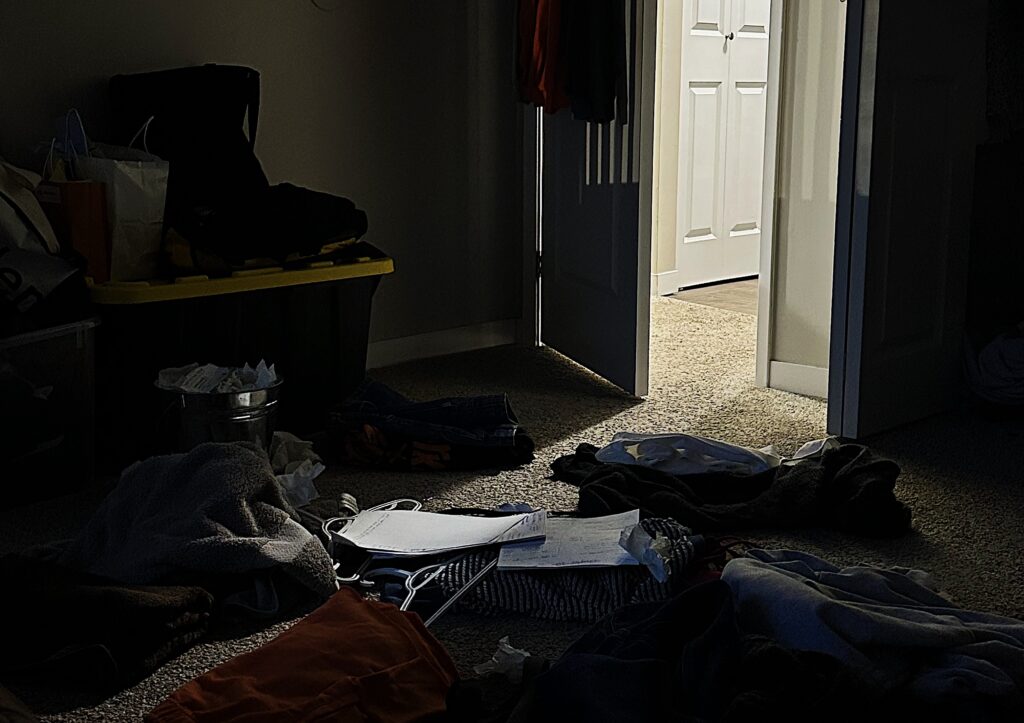
People whose grief looks messy, ordinary, or unphotogenic often end up feeling like they are doing it wrong.
Why naming this matters
Across love, success, and grief, the underlying problem is the same. Media is teaching young adults to expect a life that is dramatic, beautiful, and resolved. Real life is none of those things.

The harm is mostly invisible. It looks like a 24-year-old wondering why their relationship feels boring. A new graduate convinced everyone else figured it out. A young adult who lost someone and cannot understand why their grief did not wrap up in three acts.
What comes next
This story is the first piece of a larger multimedia project, Life Is Not a Movie, that explores each of these three myths in depth through many different forms of media, from video interviews, to written memoirs.
Before reading on, take a moment. Think of a time you felt like your life was failing because it did not look like a movie. The quiet birthday. The breakup with no closure. The grief that did not arrive on cue. The version of success you were supposed to have by now. Notice where that expectation came from, and know that you are not the one who got it wrong.
Leave a Reply